When to Rebrand (and Why It’s Not Just a Visual Decision)
Branding
Strategy
Business Growth
Rebranding is often treated as a visual refresh — a new logo, colours, or typography. In reality, the most successful rebrands are strategic decisions driven by business growth, market shifts, or clarity issues.
If your brand no longer reflects who you are, who you serve, or where you’re going, a rebrand might be the smartest investment you make.
This guide explains when to rebrand, why it matters, and what to consider before starting.
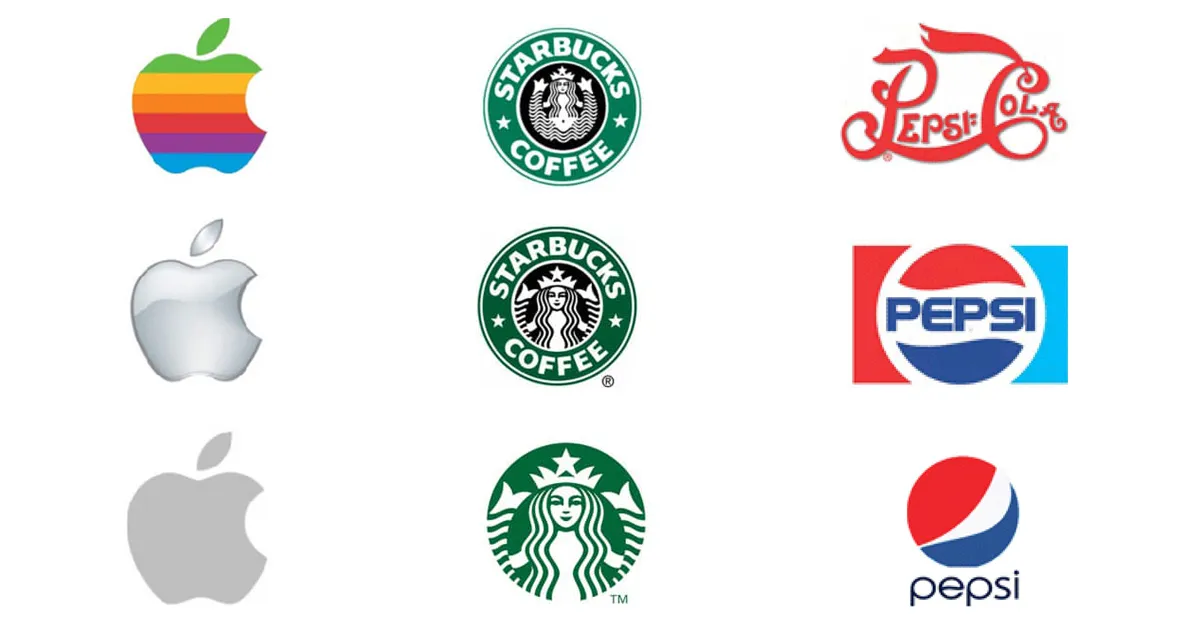
What a Rebrand Actually Is (and Isn’t)
A rebrand is not just a new logo.
A proper rebrand aligns:
Your positioning and message
Your visual identity
Your website structure and content
How customers perceive and trust your business
It’s about clarity, not decoration.
Clear Signs It’s Time to Rebrand
1. Your business has evolved, but your brand hasn’t
If you’ve expanded services, changed direction, or grown into a new market, your old brand may be holding you back.
Common examples:
A startup that became a scale-up
A freelancer evolving into a studio or agency
A local business going national or global
Your brand should reflect your current reality — not your past.
2. Your website looks outdated or inconsistent
An outdated website often signals deeper brand issues:
Inconsistent visuals
Confusing messaging
Poor user experience
Low trust or conversions
If customers hesitate or bounce quickly, the issue is often brand clarity, not traffic.
3. You’re attracting the wrong clients
If enquiries don’t match your ideal client, your brand may be sending the wrong signals.
A rebrand helps:
Set expectations
Communicate value clearly
Attract clients aligned with your pricing and expertise
4. Your brand doesn’t stand out anymore
Markets evolve. What worked five years ago may now feel generic.
If your brand blends in rather than stands out, a rebrand can help you:
Differentiate clearly
Communicate your unique value
Stay relevant in a crowded space
Rebrand vs Refresh: What’s the Difference?
Brand refresh
Small updates: typography, colours, layout improvements
Ideal when your foundation is solid but needs polishingFull rebrand
Positioning, messaging, identity, and website rethink
Necessary when your business direction or audience has changed
Knowing which one you need avoids unnecessary cost and disruption.
Why Rebranding Impacts Website Performance
Your website is usually the first touchpoint for new customers. A strong rebrand improves:
Trust and credibility
User experience and navigation
Conversion rates
SEO clarity and content structure
Rebranding without updating your website — or vice versa — creates misalignment and wasted effort.
Common Rebranding Mistakes to Avoid
Rebranding without clear business goals
Focusing only on visuals, not messaging
Ignoring SEO and existing traffic
Choosing trends over longevity
Not aligning stakeholders early
A good rebrand is intentional, not reactive.
How We Approach Rebranding at Vora
We start by understanding:
Your business model and goals
Your audience and buying behaviour
Your current brand strengths and gaps
From there, we define:
Positioning and tone
Visual direction
Website structure and content
A foundation that supports growth, not just aesthetics
Rebranding should make decisions easier — not add complexity.
Final Thought
If your brand no longer represents who you are or where you’re heading, rebranding isn’t a risk — staying the same is.
The right rebrand creates clarity, confidence, and momentum for the next phase of your business.