How AI Search Is Changing Tourism and Hospitality Websites
AI Search
Tourism
SEO
Strategy
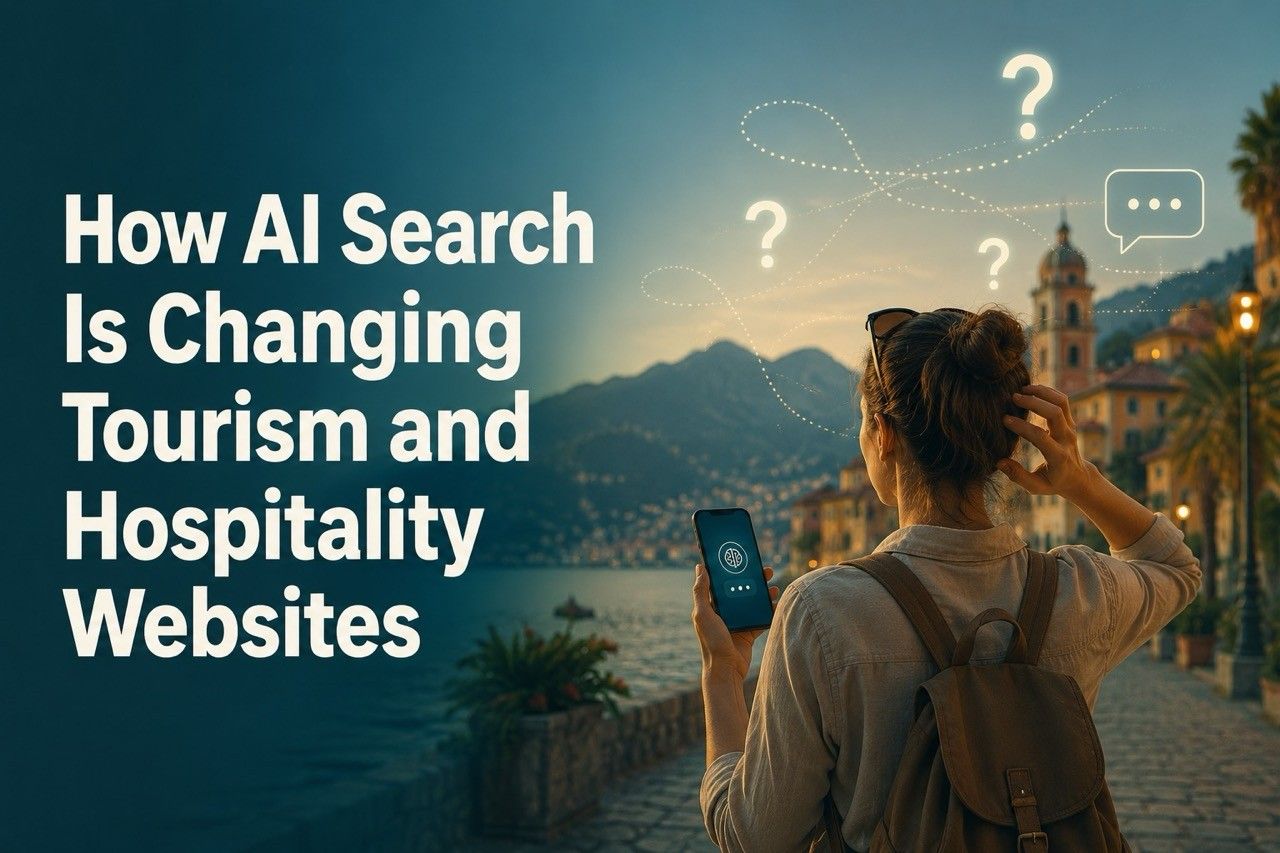
Travelers used to start a trip with a search engine and a list of tabs. Now, a growing share of them start with a question typed into ChatGPT, Perplexity, or Google's AI Overview and the answer they get back may never send them to a website at all.
For tourism boards, destination marketers, and hospitality brands, that's not a minor shift in traffic sources. It's a change in how discovery happens, and it means the old playbook of ranking for keywords isn't enough anymore.
Travelers are starting their search somewhere new
Recent industry data shows just how quickly this is moving. AI is becoming a genuine starting point in the travel planning journey, sitting alongside (and increasingly ahead of) traditional search engines for the earliest stage of trip research. According to Deloitte's 2026 Travel Industry Outlook, generative AI use in trip planning tripled between 2023 and 2025, a shift led disproportionately by millennials, who are also reporting less reliance on traditional research sources as a result.
The practical effect: a traveler might ask "best family-friendly ski towns in Australia" or "best places to go out in Ibiza" and get a fully formed answer without ever clicking through to a website. Increasingly, that answer arrives complete without the traveler ever needing to click through to a website. The research phase is being compressed into a shortlist before your site is even in the running.
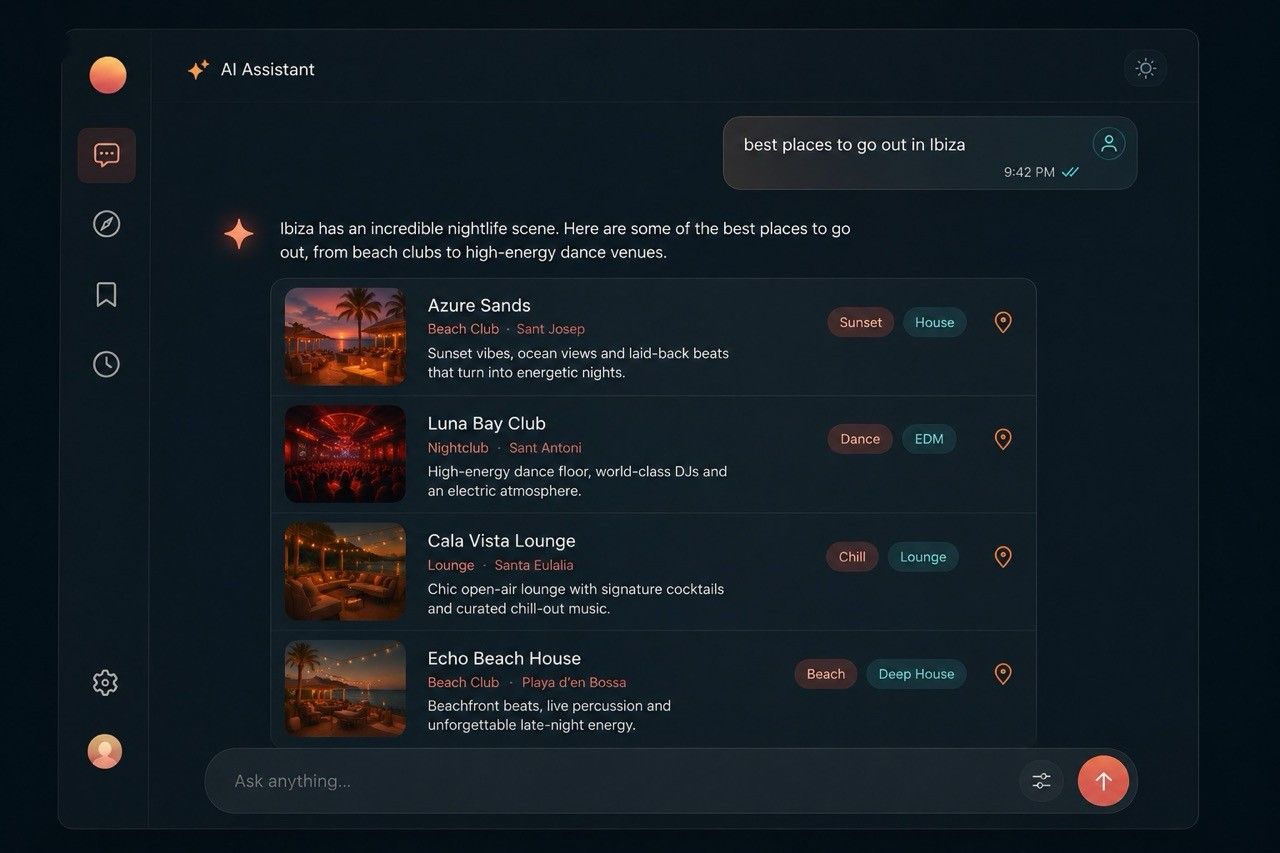
Citations are the new rankings
This changes what "visibility" means. In traditional SEO, the goal was to rank high enough to get the click. In AI search, the goal is to be the source the AI trusts enough to cite because that's often the only way your brand enters the conversation at all.
That shift rewards a specific kind of content: clear, well-structured, factually consistent information that an AI system can extract confidently. Brand-managed, first-party content carries disproportionate weight here, which is actually good news for tourism operators who've historically relied on OTAs and travel directories to do their visibility work for them.
What this means for a tourism or destination site
For a site to earn those citations, a few things matter more than they used to:
Answer-first content. Pages that lead with a direct, clearly stated answer to a likely question ("What's the best time of year to visit Bali?") perform better than pages that bury the answer under paragraphs of scene-setting.
Structured data. Schema markup for places, events, services, and FAQs gives AI systems something reliable to parse and extract, the difference between being readable and being machine-readable.
Entity clarity. AI systems build an understanding of who you are, what you offer, and where - consistently, across every page. Inconsistent descriptions of a service or region between pages actively work against you.
FAQ and question-based content. Structuring content around the actual questions people ask (not just the keywords they type) aligns naturally with how conversational AI search works.

Trust still closes the deal
Here's the part that should reassure hospitality brands rather than alarm them: AI is reshaping the research phase of travel, not the booking phase. Travelers still want to book with operators and destinations they recognise and trust. AI might shape the shortlist, but the decision to commit still depends on a site (and a brand) that feels credible, current, and human once someone actually lands on it.
That means the job isn't to abandon good web design and storytelling in favour of chasing AI citations. It's to make sure the same site that builds emotional trust with a human visitor is also structured well enough to be legible to the systems doing the research on their behalf.
The takeaway
Tourism and hospitality websites face a two-part job now: win the AI-driven research phase by being clear, structured, and citable, and win the human decision phase by being genuinely trustworthy once someone arrives. The sites that treat these as separate problems, tackling one and ignoring the other, are the ones that will quietly lose visibility over the next few years without understanding why.
For destination and tourism organisations planning a website rebuild, the sites winning visibility in 2026 aren't retrofitting AI-readiness after launch, they're designing for it from day one.
If you're planning a rebuild and want a site built to be found get in touch with Studio Vora.