Framer, Webflow, or WordPress: the simplest platform test
Website
Platform
SEO
Strategy
If you’re planning a new website (or rebuilding an old one), choosing the platform is one of the most important decisions you’ll make. Not because one tool is “better”, but because the right platform depends on your business model, content needs, SEO goals, and how fast you want to launch.
Many businesses search for “SEO-friendly website” or “web design near me”, but what they actually need is a site that’s fast, easy to maintain, and built around how customers decide.
Below is a simple framework we use to recommend the right stack.
Step 1: Start with your website’s job (not the tool)
Before you pick Framer/Webflow/WordPress, get clear on the goal:
Do you need a high-conversion landing page fast?
Are you publishing regular blog content to grow organic traffic?
Do you need integrations (CRM, booking, lead tracking)?
Will the site need to scale to many pages over time?
A platform should support the work your website needs to do — not limit it.
Step 2: Choose based on your real-world needs
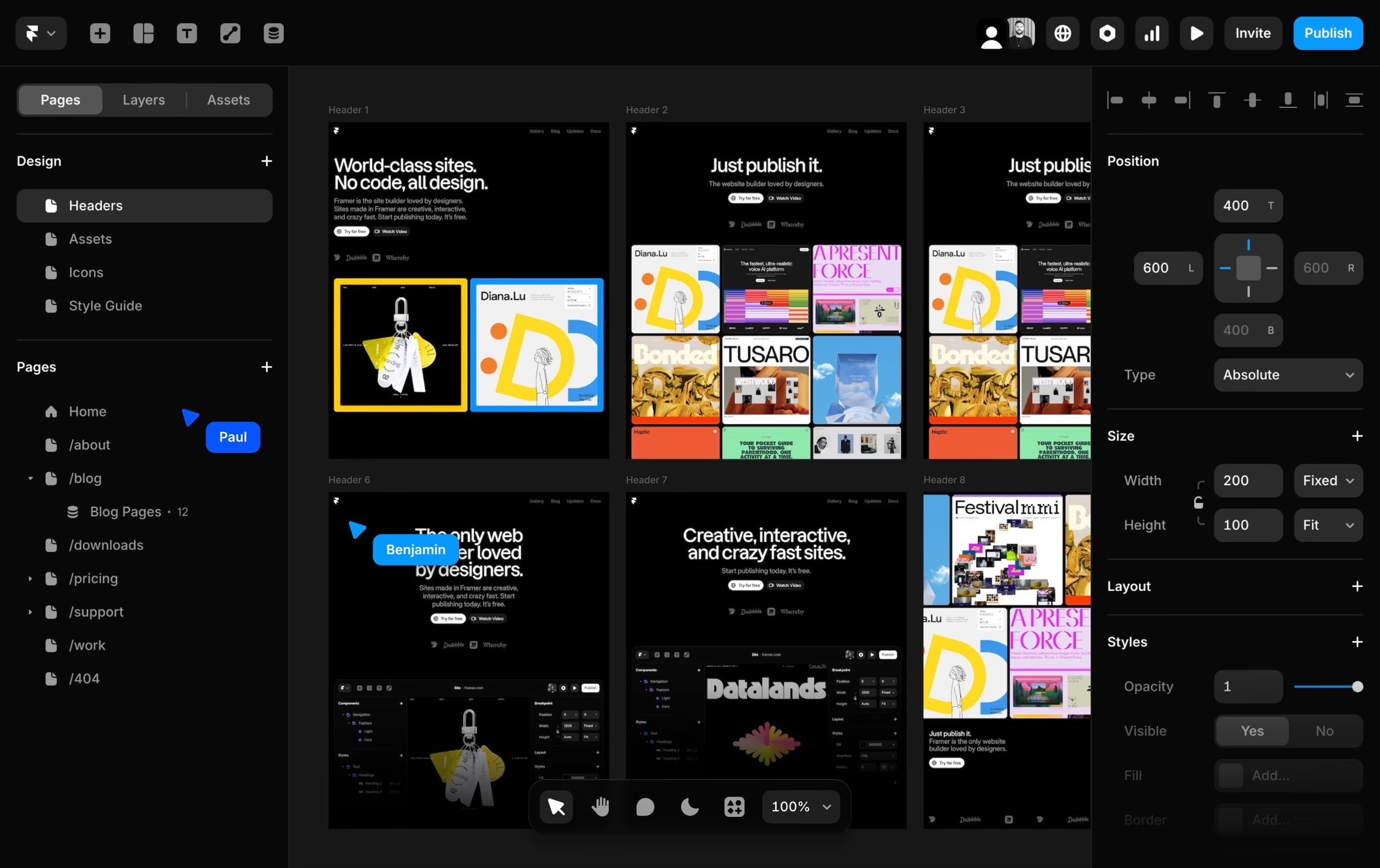
Framer is best for: fast launch + premium design + simple content
Framer has become popular because it’s quick to build, visually flexible, and great for modern, clean experiences. It’s often a strong option for:
landing pages
portfolios
service-based businesses with a simpler site structure
Framer also includes built-in SEO and analytics tooling, which is helpful for getting a site live and index-ready.
Choose Framer if you want:
a fast launch
a modern, design-led site
a smaller number of pages
clean, lightweight performance

Webflow is best for: structured marketing sites + CMS + teams updating content
Webflow tends to work well when a business needs:
multi-page site structure
a CMS that marketing teams can update
content-led growth over time
A lot of buyers compare Webflow and Framer specifically for SEO and scalability, which is exactly the right question.
Choose Webflow if you want:
a scalable CMS site
more complex page templates
a strong base for long-term content marketing
more structured control over content + components
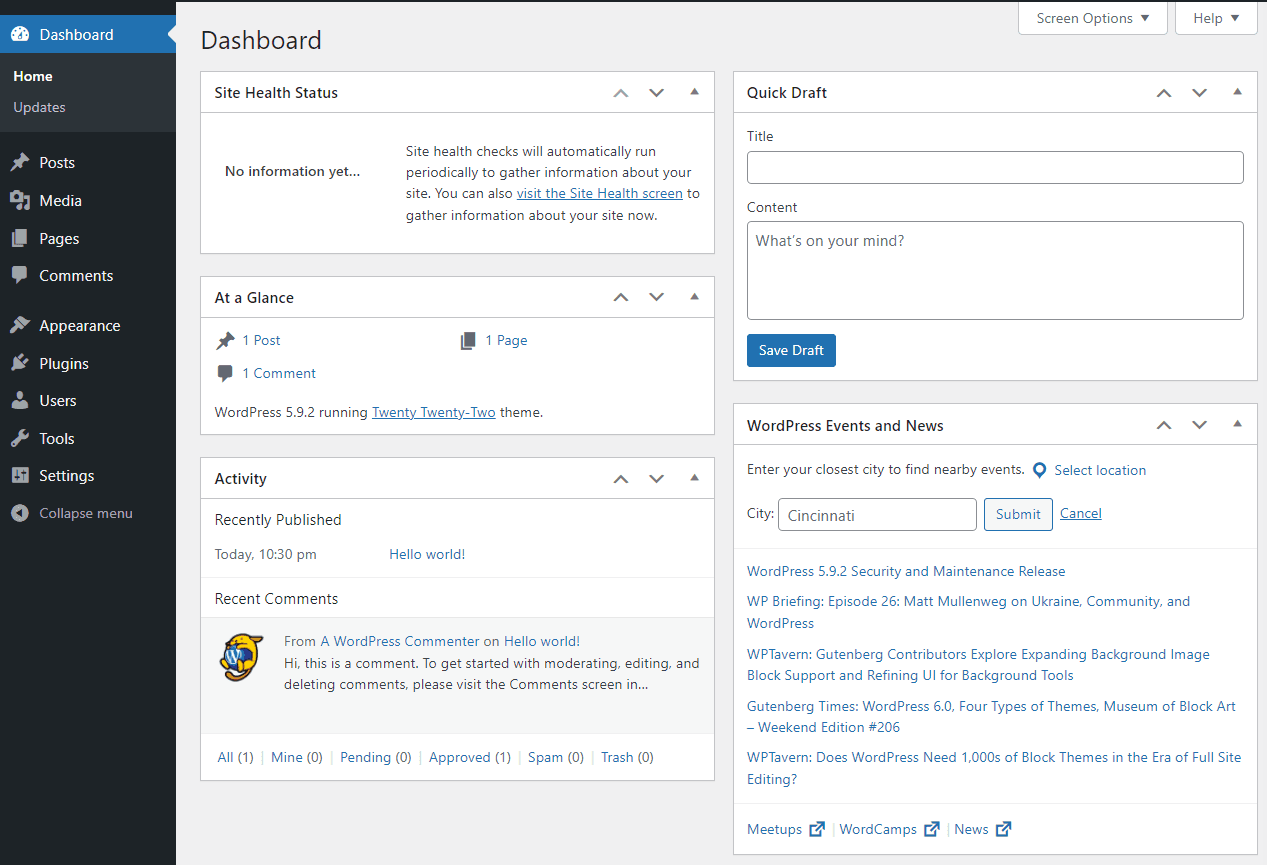
WordPress is best for: flexibility + plugins + complex requirements
WordPress is still a strong option when you need:
heavy plugin functionality
complex forms
membership or gated content
advanced integrations
Many agencies position WordPress around “control” and “ownership” because it’s widely supported and highly extensible.
Choose WordPress if you want:
maximum flexibility
a plugin ecosystem for niche needs
complex workflows
long-term extensibility
Step 3: The simplest platform test
Ask these 5 questions:
How often will you update content?
Rarely (a few times a year): Framer
Regularly (monthly / weekly): Webflow or WordPress
Frequently, by multiple people: WordPress
How many pages will you need in 12 months?
Up to 5–8 pages: Framer
10–30 pages: Webflow
30+ pages or complex structure: WordPress
Do you need a blog and content strategy?
No blog or occasional posts: Framer
Active blog with structured content: Webflow
Heavy content publishing / SEO-driven: WordPress
Do you need integrations (CRM, pixel, tracking, booking)?
Basic tracking (GA, Meta Pixel): Framer
Marketing tools, forms, simple CRM: Webflow
Advanced CRM, bookings, workflows, plugins: WordPress
Is speed-to-launch more important than flexibility?
Speed is the priority: Framer
Balance between speed and control: Webflow
Maximum flexibility and control: WordPress
Your answers usually make the platform decision obvious.
A practical recommendation - how we approach it at Vora.
We don’t start with the tool - we start with:
your business model
your audience and decision-making process
what message needs to land
your growth plan (SEO + content + ads readiness)
Then we pick the stack and structure that supports that - including performance, hosting/location considerations, and scalability.
Want help choosing the right platform?
If you’re deciding between Framer, Webflow, and WordPress, we can recommend the best option based on your goals, scope, content, and growth plan.